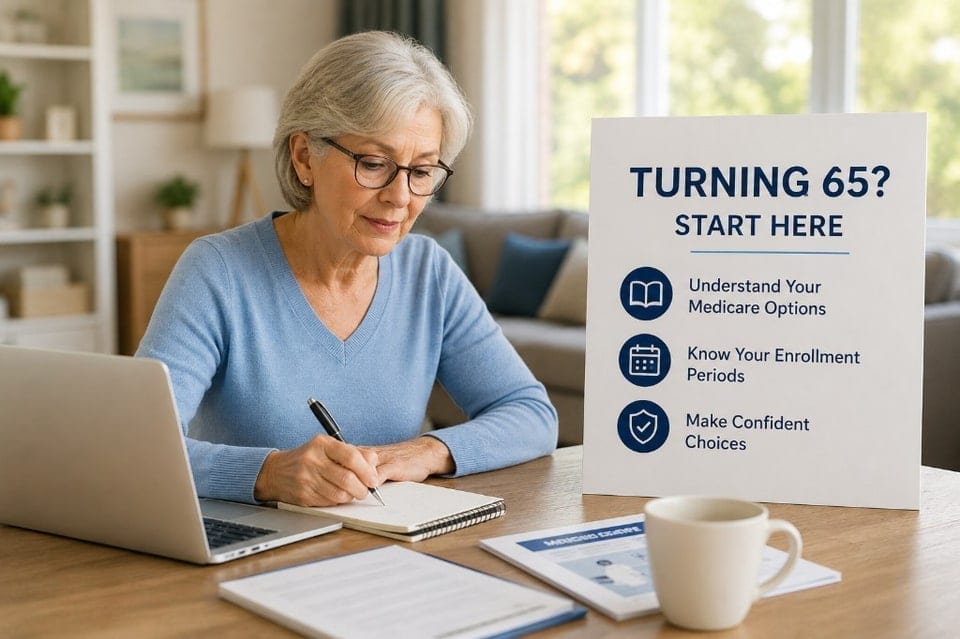
A common misconception among individuals approaching age 65 is that Medicare coverage begins automatically on their birthday. While this is true for some, it is entirely incorrect for others. Whether your enrollment is automatic or requires active registration depends on one simple factor: whether you are already drawing Social Security benefits.
Failing to understand your enrollment path can result in unexpected coverage gaps or lifetime premium penalties.
Before determining your strategy, check out the baseline rules in our core guide to medicare enrollment periods. If you are still working, see how your employer coverage interacts in our guide on turning 65 still working: what happens to my insurance.
---
1. When Enrollment IS Automatic
You will be automatically enrolled in Medicare Part A (Hospital Insurance) and Part B (Medical Insurance) if you meet the following criteria:
- Social Security Recipients: You have been receiving Social Security retirement benefits for at least four months before your 65th birthday month.
- SSDI Recipients: You have been receiving Social Security Disability Insurance (SSDI) benefits for at least 24 months.
- RRB Recipients: You receive retirement benefits from the Railroad Retirement Board.
What to Expect
If you qualify for automatic enrollment, you do not need to fill out any forms. Social Security will mail your welcome packet and your physical Red, White, and Blue Medicare card approximately three months before your 65th birthday month. Your coverage will automatically become active on the first day of your birthday month.
---
2. When Enrollment is NOT Automatic (Active Signup Required)
You must actively apply for Medicare if you meet this condition:
- Not Drawing Social Security: You are approaching age 65 but have delayed drawing your Social Security retirement cash benefits (usually to maximize your monthly checks later).
The Signup Process
If you fall into this category, the government will not contact you or mail you a card. You must actively apply during your 7-month Initial Enrollment Period (IEP).
- The Online Path: The fastest and most secure way to sign up is online at ssa.gov. The application takes less than 10 minutes, and you can select "Apply for Medicare Benefits Only," leaving your Social Security cash benefits deferred.
---
3. Opting Out of Part B (For Those with Automatic Enrollment)
If you are automatically enrolled but are still working for a large employer (20+ employees) and covered under their group plan, you may want to delay Part B to save on the monthly premium.
How to Opt Out
Your automatic welcome packet will contain instructions on how to decline Part B. You must return the Medicare card with the back signed, indicating you refuse Part B. Social Security will then send you a new card showing Part A coverage only.
- Warning: Do not opt out of Part B if your employer has fewer than 20 employees, as your group coverage will not pay primary claims once you turn 65.
---
Frequently Asked Questions (FAQs)
Can I get Medicare at 65 if I've never worked?
Yes. If you did not work enough quarters to get premium-free Part A, you can still enroll at 65. You will pay a monthly premium for Part A, in addition to the standard Part B premium. Alternatively, you may qualify for premium-free Part A based on your spouse's work history.
What should I do if my card does not arrive?
If you are receiving Social Security but your Medicare card has not arrived by the month before your birthday month, log into your online Social Security account to check your enrollment status or call your local SSA office.
---
We may not represent every plan available in your area. Any information we provide is for educational purposes only and is not a complete listing of plans. Please contact Medicare.gov or 1-800-MEDICARE to get information on all of your options.
Ready to better understand your Medicare options? Visit MyPartB.com and compare your choices with The Part B Optimizer Benchmark Tool.